Last updated: May 31, 2026
Brand webtoon marketing: B2B, B2C, trust, and Instagram-ready comics
7 min read
TL;DR
Brand webtoon marketing (브랜드 웹툰) embeds your product, values, or industry story inside serialized comic episodes instead of a single banner ad. B2C brands use it for emotional storytelling and fan-like attachment; B2B brands use it to make complex categories feel human. Trust grows when the same characters and art style return every week — then you repost panels as Instagram carousels, Reels, and Stories. Slycee Studio helps teams produce consistent slice-of-life brand comics without hiring a full webtoon studio.
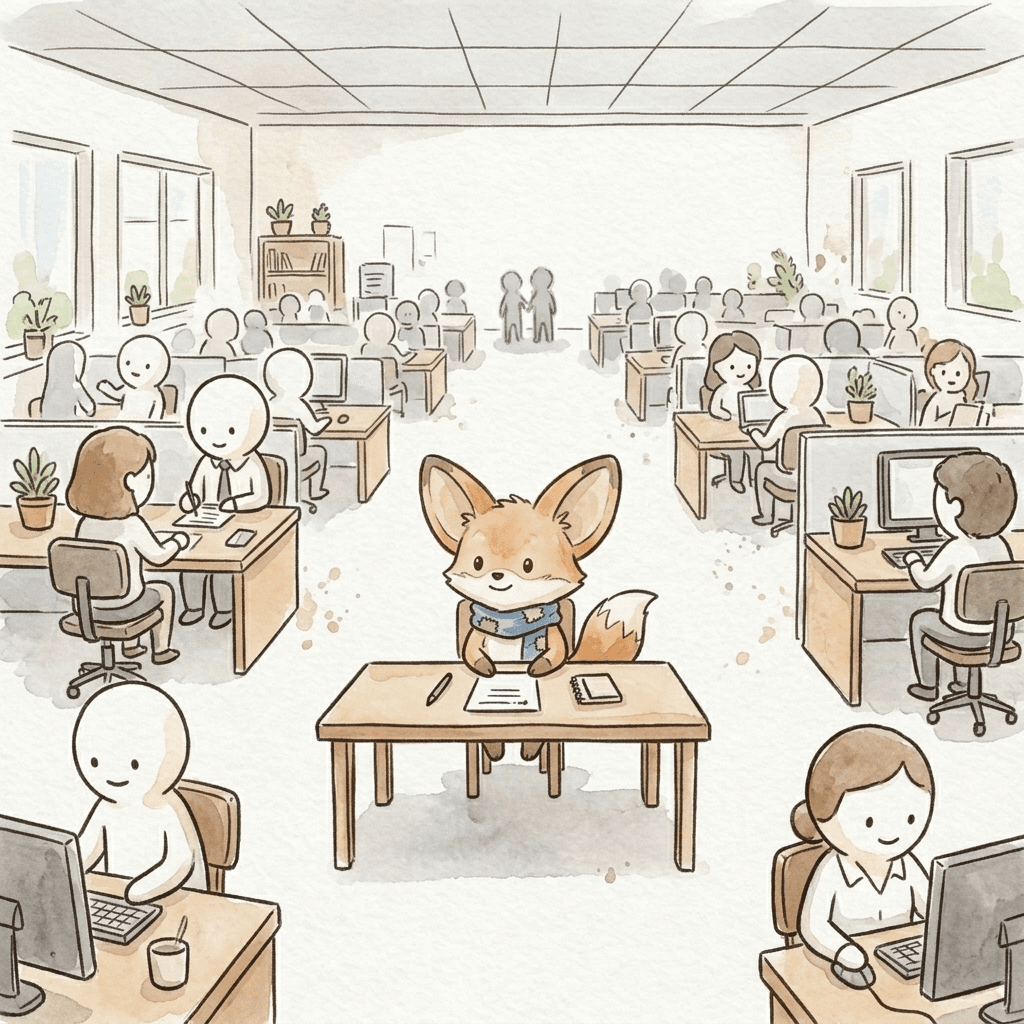
What is brand webtoon marketing?
Brand webtoon marketing is a strategy where a company tells its story through serialized comic episodes — weekly or monthly — rather than one-shot TV spots or static social posts. The product or brand message lives inside character dialogue, everyday scenes, and ongoing plot beats, similar to how Korean publishers and advertisers have used webtoon formats for years.
In Korea, marketers distinguish between a webtoon used as a single campaign asset and a true “brand webtoon” (브랜드 웹툰) that runs for multiple episodes. Research and case studies in the market note that subscribers who follow a brand series often report higher preference for the company — because they spent time with characters, not slogans. The format speaks in the audience’s visual language, especially among 20–30-somethings who already read vertical comics on phones.
How does B2C brand webtoon marketing work?
B2C brand comics prioritize emotion, humor, and relatable daily life. Instead of listing product specs, you show someone tired, confused, or delighted — then let the product appear naturally in the scene. Recent Korean campaigns have used webtoon aesthetics (even AI-assisted production) to explain consumer health products through fantasy or rom-com tropes viewers already enjoy.
The goal is not a hard sell in panel one. It is repeat exposure: episode 3 is when the viewer connects your mascot’s personality with your brand. Slice-of-life B2C comics fit skincare routines, food and beverage moments, fintech “first salary” stories, and apparel lookbooks told as locker-room or café conversations. Each episode ends with one clear takeaway and a visual hook strong enough to screenshot.
Can B2B brands use webtoon marketing too?
Yes — and Korean B2B marketers increasingly do. Industrial and enterprise brands partner with popular webtoon IPs or launch their own short series to explain materials, logistics, or SaaS workflows without a whitepaper tone. The comic translates jargon into coworkers talking at a desk, a field visit, or a client call.
POSCO’s “FANTASTEEL” style campaigns and webtoon crossovers show how steel, energy, or infrastructure companies reach younger buyers and recruits. For your team, a four-panel “day in the life of our customer success manager” beats a LinkedIn PDF for memorability. B2B webtoons still need accuracy — but the wrapper is conversational, not corporate gray.
How do brand comics build trust?
Trust comes from repetition and transparency. When a brand comic returns on schedule with the same tone — honest mistakes, small wins, no fake perfection — readers assign those traits to the company behind it. Serialized storytelling also signals long-term commitment: you are not hiding behind a single polished ad.
Marketers describe this as moving from interruption to relationship. A customer who reads eight episodes has spent more time with your brand than someone who skipped a 15-second pre-roll. For regulated categories, pair fiction with clear disclaimers; for everyday products, focus on real use moments (morning commute, office lunch, late-night delivery) so the story feels observed, not staged.
Why do consistent characters matter in brand comics?
Visual and character consistency is what separates “random AI images” from a brand webtoon. Readers should recognize your spokesperson, customer avatar, or mascot from episode to episode — same face, same outfit logic, same art style. Break consistency and the series feels like ads again.
That is why brand teams maintain character bibles: names, roles, speech patterns, and reference art. Tools like Slycee Studio’s Character Bank store those references and reuse them across panels so regeneration does not drift. When you update a campaign quarter, you edit dialogue — not redesign the cast from scratch.
How should you post brand comics on Instagram?
Instagram is a natural distribution channel for brand webtoons because the feed is already vertical and visual. Most teams export each episode as a carousel (one panel per slide), a single stacked image for Stories, or a short Reel panning across panels with captions.
Korean social teams often treat the comic as the hero asset and the caption as the CTA — link in bio, promo code, or “episode 2 tomorrow.” Hashtags matter less than save-worthy art and a cliffhanger line in the final panel.
- Carousel: 4–10 slides, panel order top-to-bottom; first slide must work as a thumbnail (hook line or expressive face).
- Caption: one-sentence episode summary + brand handle + soft CTA (“Save for the full story”).
- Stories: use panel 1 as a teaser sticker linking to the full carousel post.
- Reels: 6–15 seconds, subtle zoom on dialogue bubbles; add subtitles for sound-off viewers.
- Consistency: same corner logo, episode number, and color grade every week so the grid looks intentional.
- Reuse: one storyboard → carousel + Reel + Story highlights grouped by campaign arc.
New to making comics in-house? For Character Bank setup, panel editing, and multi-language workflows, see our guide at /studio/blog/en/slice-of-life-comics-with-custom-characters.
Is brand webtoon marketing only for Korean audiences?+
How is this different from hiring a webtoon studio?+
How often should we publish episodes?+
Can we use the same comic on LinkedIn and Instagram?+
Do we need an ongoing plot?+
What art style fits brand marketing?+
Start your brand webtoon series
Create recurring characters, write episode one, and export panels ready for Instagram — no drawing required.
Slycee Studio →