Last updated: May 31, 2026
How lawyers, HR, marketing, and client teams use slice-of-life comics
7 min read
TL;DR
Professionals use Slycee Studio to convert real workplace scenarios — client intake, onboarding confusion, product demos, support FAQs — into short slice-of-life comics. You write monologue or dialogue, assign recurring characters from a bank, edit every panel on a storyboard, then generate art. It is faster than video, more memorable than slides, and does not require illustration skills.
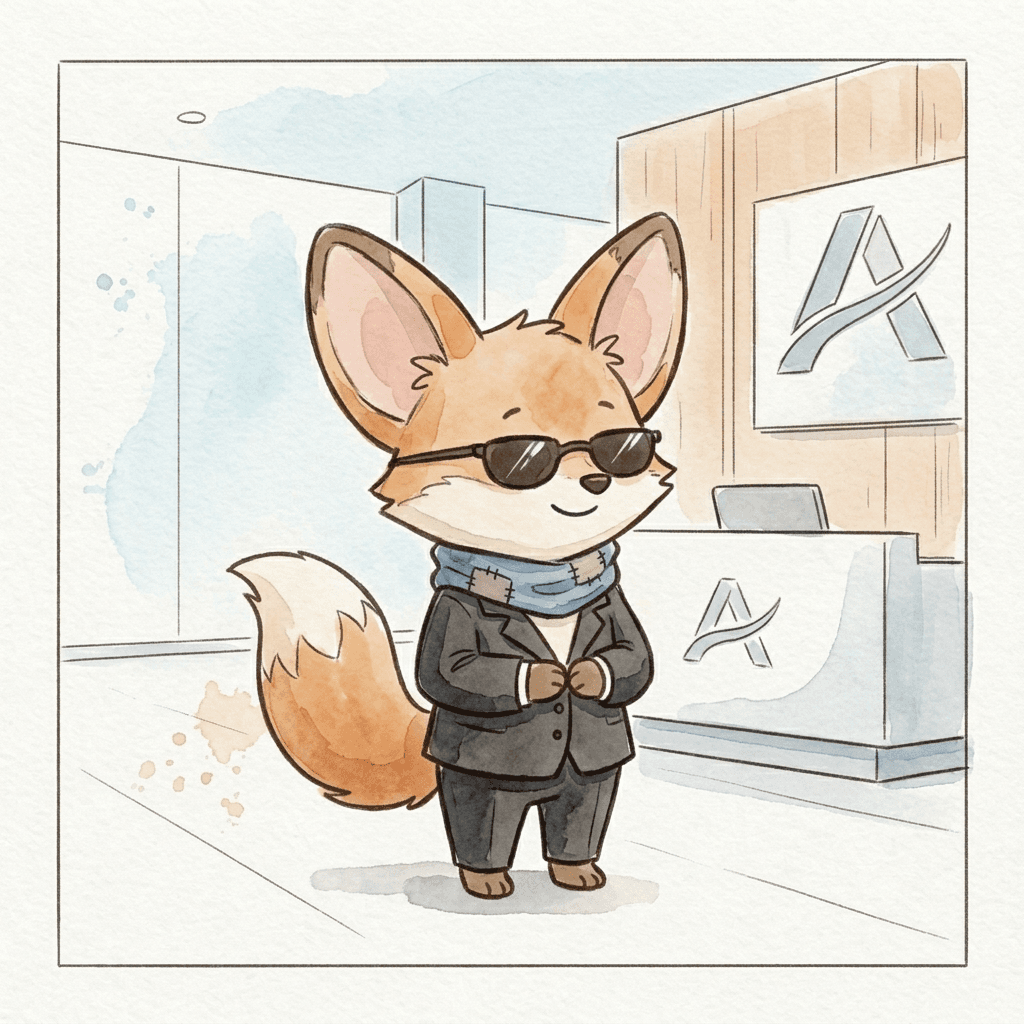
Why do professionals use comics instead of slide decks?
Slide decks and PDFs pack information into bullets; comics pack it into a moment someone recognizes. A four-panel strip shows who is in the room, what they are worried about, and what happens next — without a voiceover or animation budget.
Legal, HR, marketing, and client-facing teams all share the same problem: the audience skims long documents but remembers a short story. Slice-of-life comics match how those stories actually happen — at a desk, on a call, in a hallway — so readers finish the sequence instead of closing the tab.
How can legal teams walk clients through scenarios with comics?
Law firms and in-house counsel use comics to illustrate process, not to give legal advice. A typical strip might show a client on an intake call, receiving documents, asking what a milestone means, and hearing a plain-language next step — with fictional names and clearly labeled scenarios.
This works for estate planning walkthroughs, contract timelines, immigration step sequences, or “what to expect at a deposition” explainers. Keep panels factual and generic; add a disclaimer that the comic is educational, not a substitute for counsel. Slycee Studio lets you regenerate a single panel if compliance asks for wording changes — you do not rebuild a video.
How does HR use comics for onboarding and training?
HR and L&D teams turn first-week friction into relatable panels: a new hire cannot find the benefits portal, a colleague shows them where to click, they submit the form, they relax. The tone stays human instead of policy-manual formal.
The same format fits code-of-conduct reminders, security awareness (“don’t click that attachment”), and manager coaching scripts. Store an “HR guide” and “new employee” in your Character Bank so every update reuses the same faces — employees start recognizing your internal cast.
How can marketing tell product stories without a video crew?
Marketing uses slice-of-life comics when a feature is easier to show in conversation than in a hero banner. Example: a marketer realizes customers misunderstand a setting, demos the fix on a call, the customer tries it, the customer smiles — four panels, one clear before/after.
Founders and product marketers paste rough call notes or support themes into Slycee Studio, pick brand-aligned characters, and publish a link in a newsletter or sales deck. You get a visual story without storyboarding a shoot, hiring VO, or editing B-roll.
How do client-facing teams use comics for support and sales?
Support and success teams convert recurring tickets into dialogue strips: customer hits an error, agent asks one clarifying question, customer follows two steps, issue resolved. Sales teams turn objection-handling into a short office conversation prospects can forward internally.
Because each panel has editable dialogue and monologue fields, you can A/B wording before regenerating art. Share a public comic link in chat or embed panels in a help center — readers see themselves in the scenario instead of scanning a wall of text.
How do you write a four-panel office scenario?
Start with one real conversation or email thread. Split it into four beats: setup, tension, action, outcome. Write the way people talk at work — short lines, not screenplay headers.
- Panel 1 — Setup: who is in the scene and what are they trying to do? (“I need to send this contract, but the portal timed out.”)
- Panel 2 — Tension: what is confusing, risky, or blocking them? (“It says ‘pending review’ — does that mean I wait or call someone?”)
- Panel 3 — Action: what step, tool, or person moves things forward? (“Open the tracker — yellow means legal, green means you can sign.”)
- Panel 4 — Outcome: what changed? Show relief, clarity, or the next appointment. (“Got it — I’ll sign after legal clears it tomorrow.”)
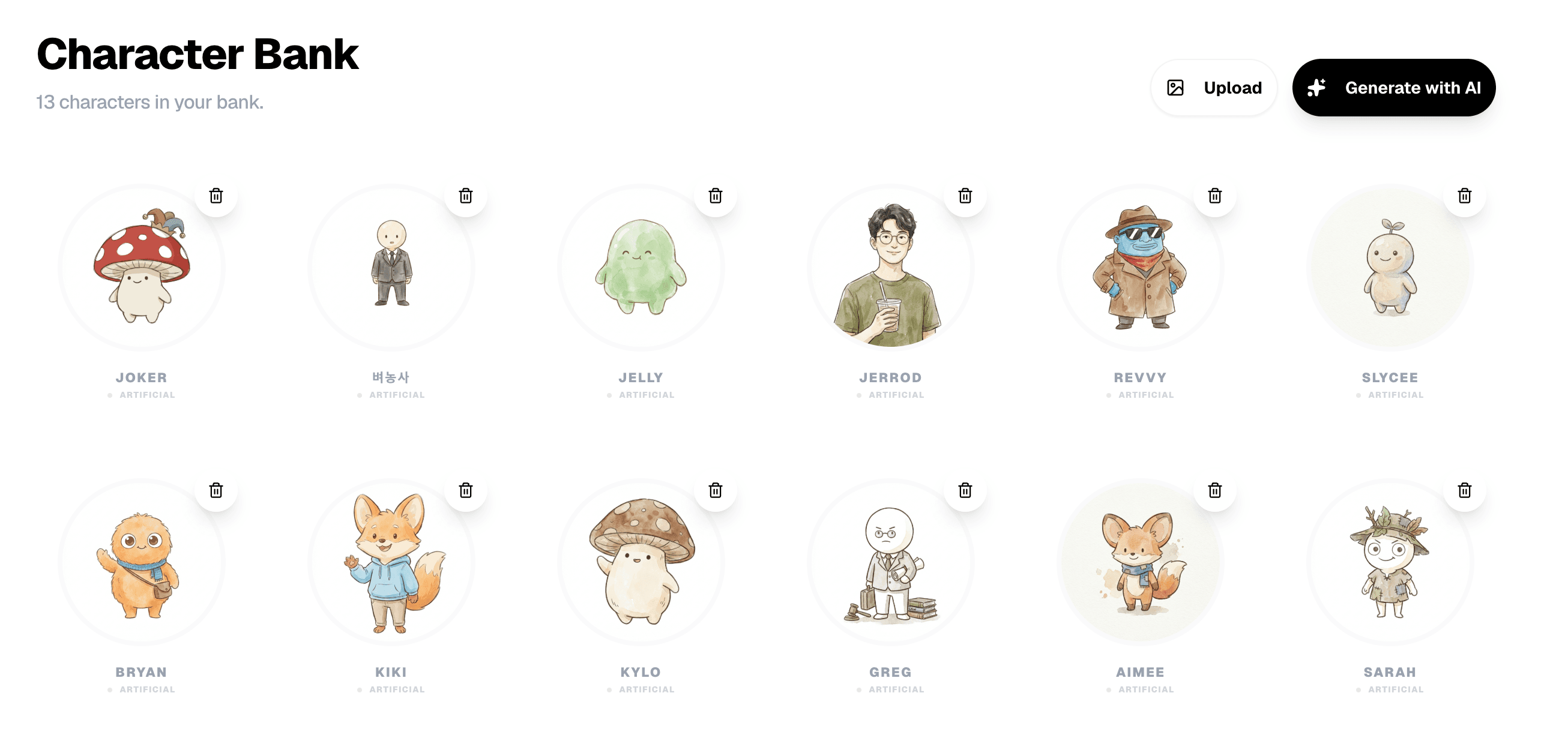
How do you keep the same characters across updates?
Upload photos or AI-generate characters once, name them, and select them from the Character Bank for each new comic. When a policy or product changes, duplicate the storyboard text, edit the affected panels, and regenerate only those images — the cast stays visually consistent.
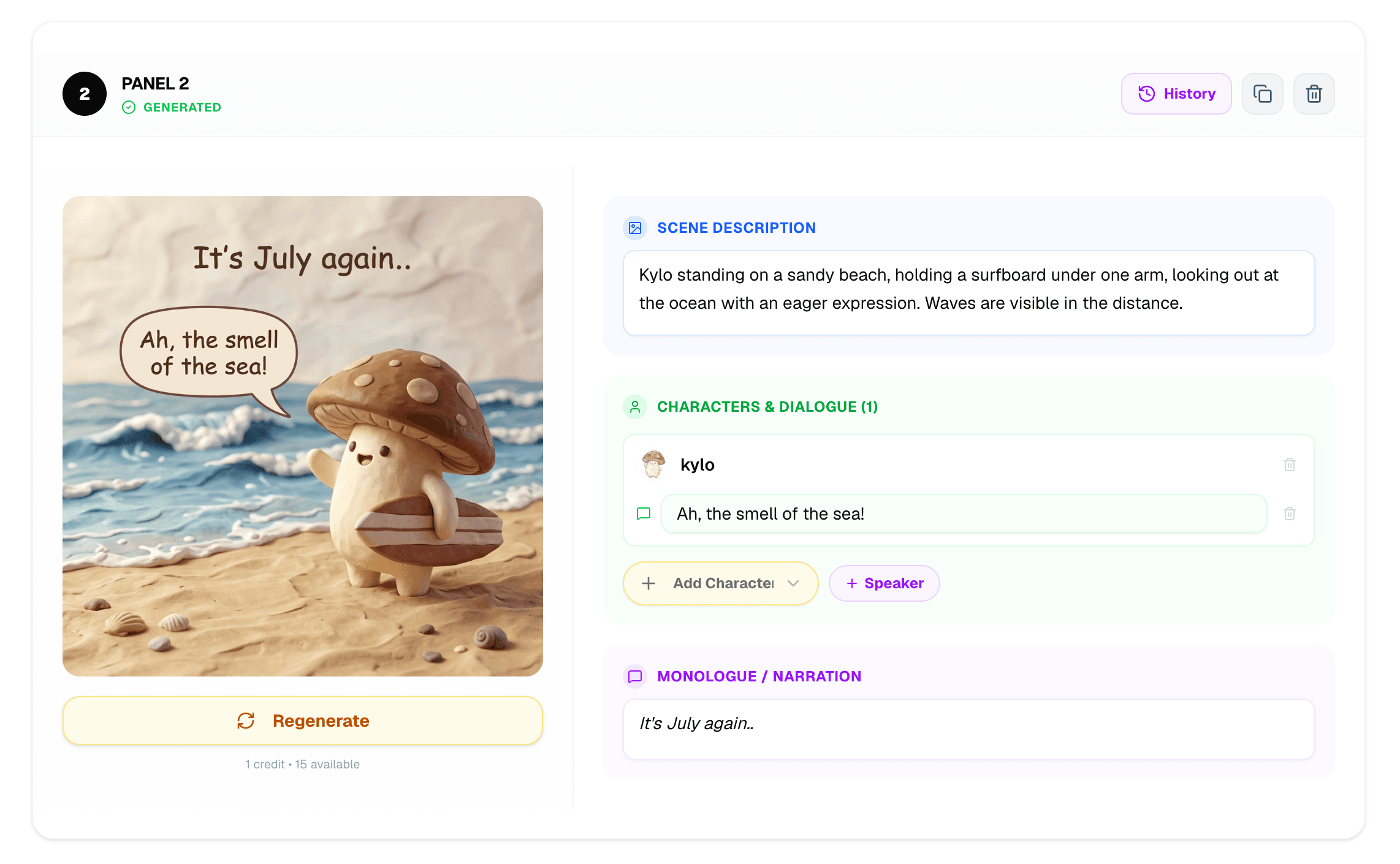
New to Slycee Studio? For Character Bank setup, storyboard editing, 18 languages, and how credits work, read our full guide at /studio/blog/en/slice-of-life-comics-with-custom-characters.
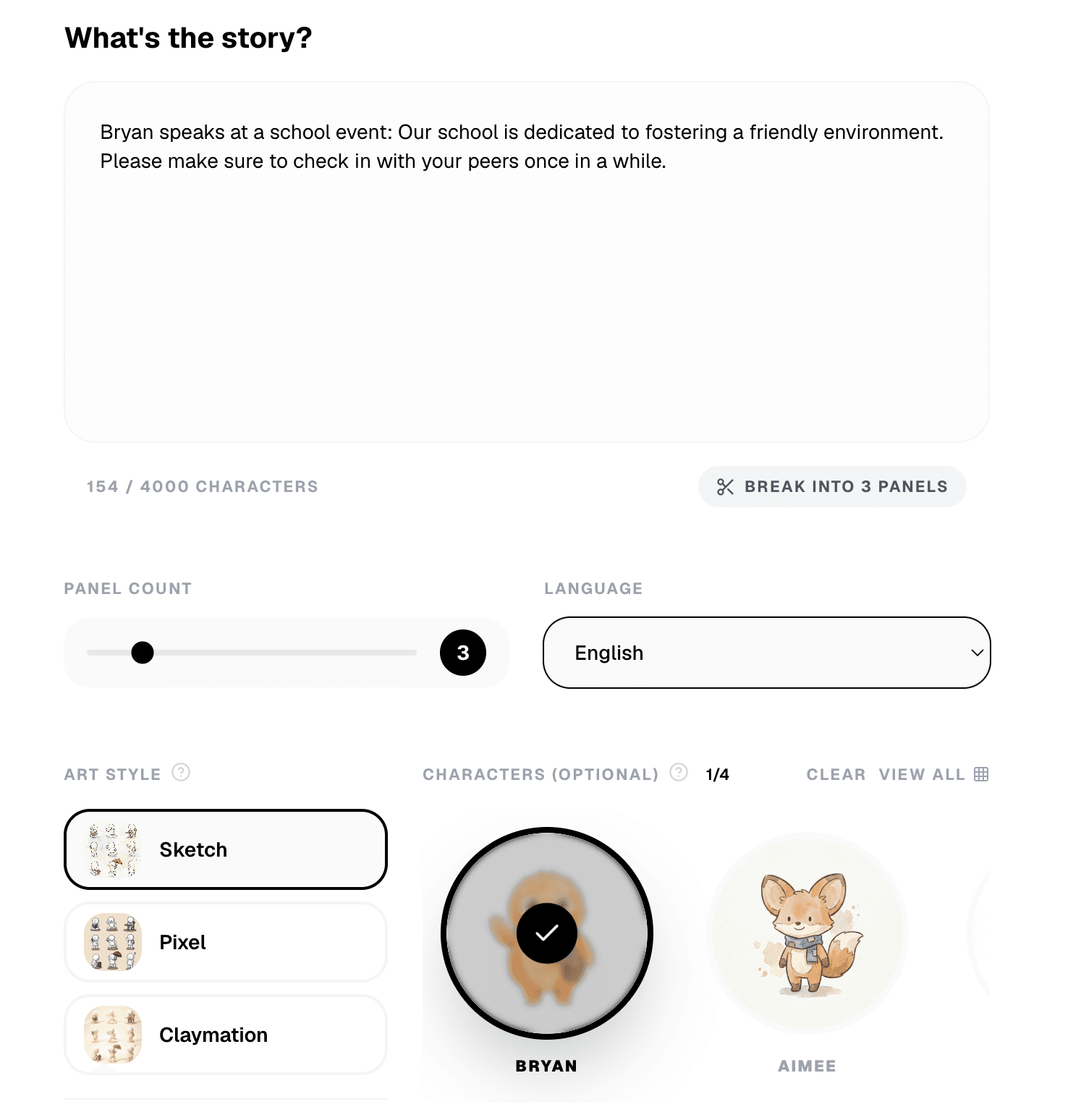
Can I use real client or employee names in a comic?+
How many panels should a training or legal explainer use?+
Does a legal comic replace formal legal advice?+
Can I share comics only inside my organization?+
Do I need a designer on the team?+
How is this different from asking ChatGPT for comic panels?+

Turn your next meeting note into a comic
Open Slycee Studio, paste a short office scenario, and publish a four-panel explainer in minutes.
Slycee Studio →